The digital landscape is undergoing a fundamental shift as traditional, passive advertising loses its efficacy among modern consumers. People increasingly ignore static banners and skip video interruptions, prompting brands to seek more meaningful ways to connect through participation and engagement.
By integrating advanced technology into the consumer journey, businesses are moving away from broadcasting messages and towards creating shared experiences.
The Evolution of Brand Engagement and Local Expertise
Modern marketing now requires a sophisticated blend of storytelling and technical execution to capture public attention. High-traffic commercial hubs have become testing grounds for experimental campaigns that use augmented reality and gesture-based interfaces to draw passers-by into a brand’s narrative. Many international brands looking to enter the Asian market often collaborate with a specialised HK advertising company to navigate the unique urban density and digital habits of the local population. These partnerships focus on converting high-street storefronts into interactive touchpoints where the consumer is no longer a spectator but an active participant.
This shift necessitates a departure from the “one size fits all” approach to content creation. Digital installations that respond to a user’s movement or touch provide immediate feedback, creating a sense of agency that traditional print or television media cannot replicate. When a brand allows a customer to influence the outcome of a digital display, it fosters a stronger cognitive connection and increases the likelihood of brand recall. The objective is to provide genuine utility or entertainment, ensuring that the interaction feels like a chosen activity rather than an unwelcome intrusion into the customer’s daily routine.
Hardware Integration and the Gamification of Retail
The convergence of gaming hardware and retail environments has further accelerated the demand for immersive commercial spaces. Techniques once reserved for home entertainment are being repurposed to create competitive and social experiences within shopping malls and flagship stores. It is now common to see families and young professionals visiting a motion game console shop to explore the latest sensor-based hardware that tracks physical activity with high precision. This same technology is being adopted by retailers to create virtual fitting rooms or interactive product demonstrations that reward movement and exploration.
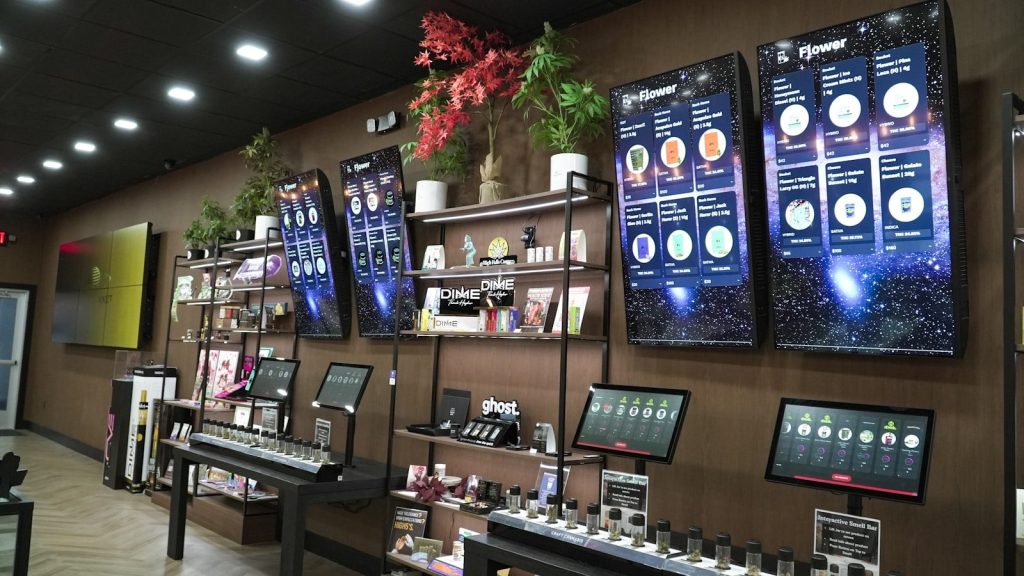
Gamification serves as a powerful tool for extending the duration of a consumer’s stay within a commercial environment. By incorporating leaderboards or digital rewards, businesses can transform a routine purchase into a social event. This approach is particularly effective for lifestyle and fitness brands, where the physical nature of the interaction aligns perfectly with the product’s identity. As sensors and processing power become more affordable, the barrier to entry for smaller enterprises to adopt these interactive systems continues to lower, making immersive commerce a standard expectation rather than a luxury.
Future Prospects of Interactive Commercial Environments
As we look towards the future, the boundary between physical and digital commerce will continue to blur through the adoption of extended reality. The goal is to create a seamless ecosystem where data-driven insights inform real-time environmental changes, tailoring the interactive experience to the specific individual standing before the screen. This level of customisation ensures that the content remains relevant and engaging, reducing the fatigue associated with repetitive mass-market messaging.
Success in this new era depends on a brand’s ability to respect the consumer’s time while providing clear value through technology. Commerce is becoming a two-way dialogue where the quality of the interaction is just as important as the product being sold. By prioritising immersion and interactivity, businesses can build lasting loyalty in an increasingly distracted world, ensuring their message is not just seen, but truly experienced.