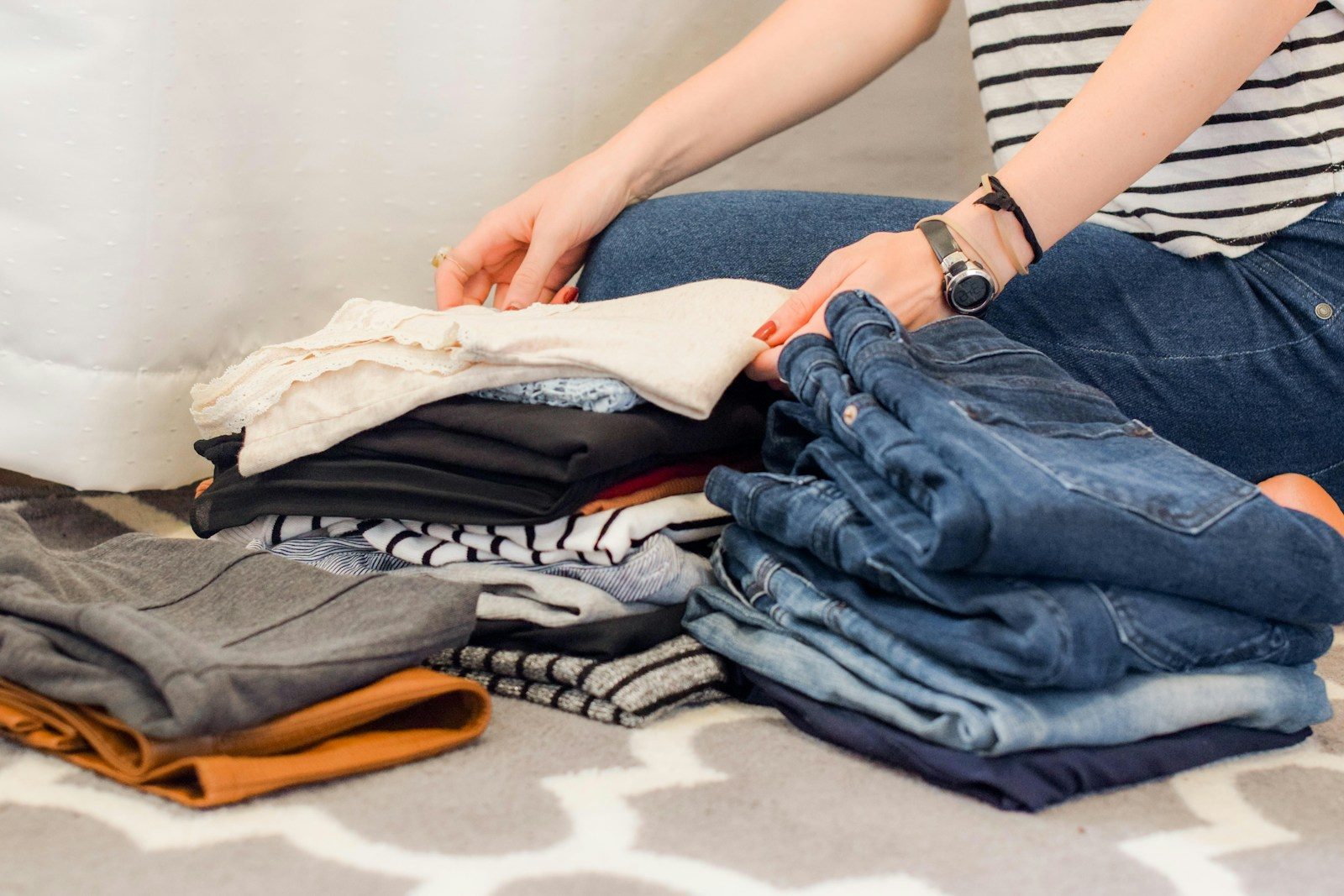
Getting dressed each morning should feel effortless, yet so many people struggle to put together outfits that look intentional without requiring a closet full of designer pieces. The secret lies not in owning more clothes but in understanding how different pieces work together to create depth and visual interest. Layering is one of the most versatile techniques in modern fashion, allowing you to adapt to changing temperatures, shift between casual and polished settings, and express personal style without saying a word. Whether you are heading to a weekend brunch or a casual office environment, mastering the art of combining garments opens up possibilities that a single statement piece simply cannot achieve. The key is to think about texture, proportion, and function simultaneously. When these three elements align, even the simplest combination of basics can look remarkably put together. This approach to dressing has gained popularity across all demographics, proving that thoughtful styling transcends trends and seasons alike.
Building a Foundation with Versatile Basics
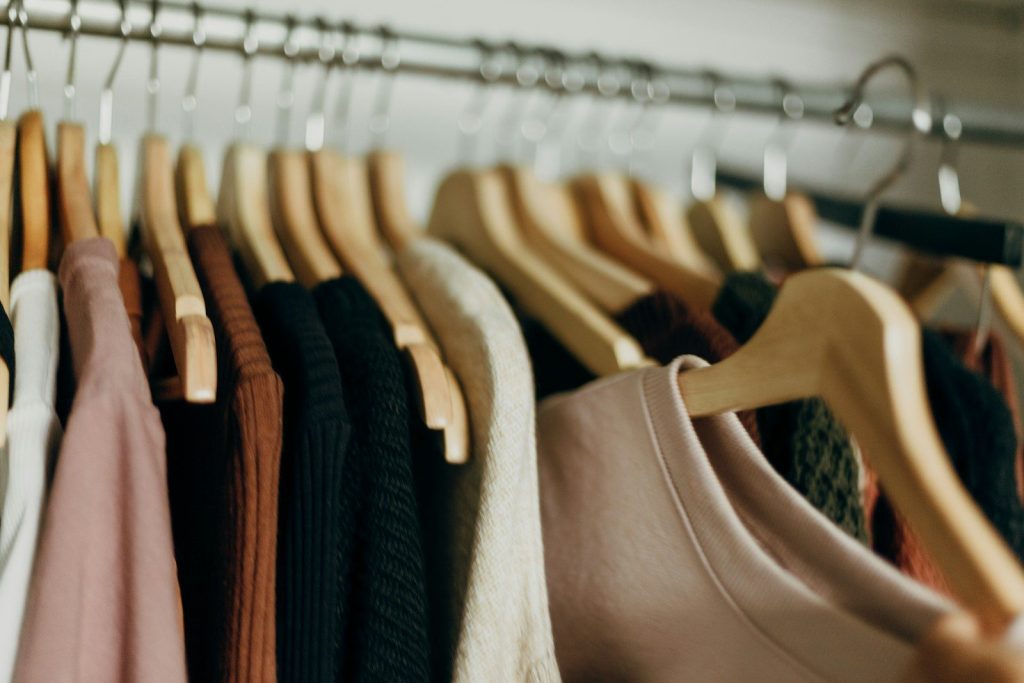
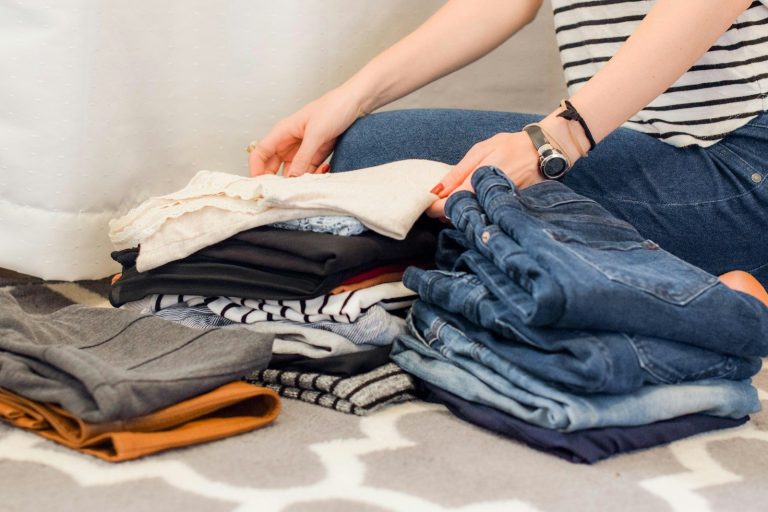
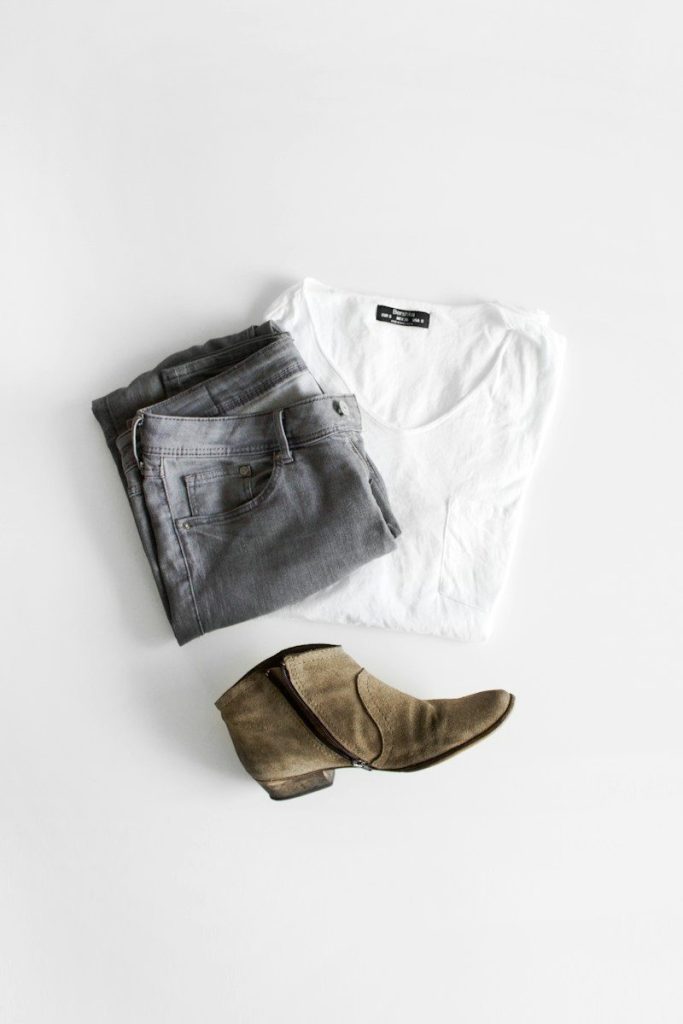
Every well curated wardrobe starts with foundational pieces that serve multiple purposes across different outfits and occasions. Think of plain tees, lightweight knits, and relaxed fit trousers as the building blocks upon which more complex looks are constructed. These items should be chosen in neutral tones that complement one another, making it easy to mix and match without overthinking. A quality men jacket can serve as an excellent mid layer during transitional weather, providing warmth without bulk while adding structure to an otherwise simple ensemble. The beauty of investing in versatile basics is that each new addition multiplies your outfit possibilities rather than just adding one more option. When selecting these core pieces, pay attention to fabric quality and construction details. A well made garment will maintain its shape and color through dozens of washes, ultimately saving money and reducing the environmental impact associated with fast fashion cycles. Start with three to five core items and build outward from there.
The Role of Texture in Visual Interest
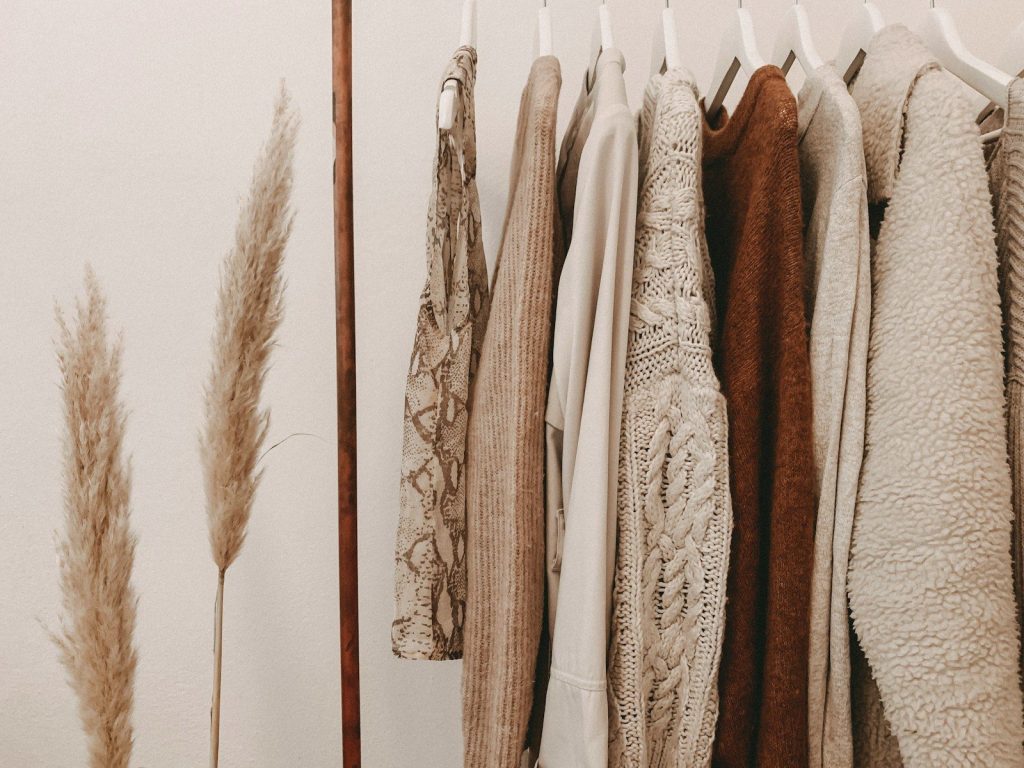
One of the most overlooked aspects of personal styling is the interplay between different fabric textures within a single outfit. Smooth cotton against chunky knit wool, or crisp denim paired with soft fleece, creates a tactile contrast that catches the eye even when the color palette remains subdued. This principle applies equally across all seasons and style preferences. During warmer months, lighter textures like linen and breathable mesh can be combined to achieve a similar effect without adding unnecessary warmth. The goal is to create dimension through material rather than relying solely on bold colors or loud patterns, which can quickly feel dated. Experienced stylists often recommend limiting yourself to two or three distinct textures per outfit to avoid visual clutter. This restraint ensures that each element has room to breathe and contribute to the overall composition. Over time, developing an eye for textural harmony becomes second nature and dramatically elevates even the most casual daily looks.
Adapting Your Style Across Seasons
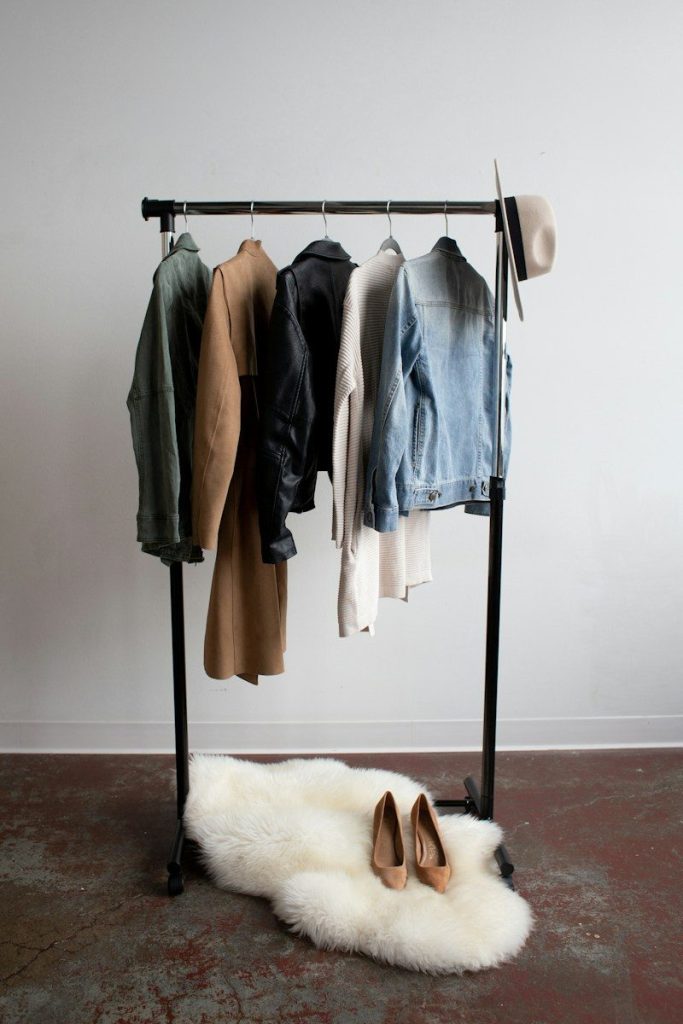
Transitioning between seasons does not require a complete wardrobe overhaul. Instead, it calls for strategic adjustments in how you combine the pieces you already own. Spring and autumn are particularly rewarding periods for experimentation, as moderate temperatures allow for creative combinations that would be impractical in peak summer or deep winter. Lightweight outerwear becomes especially valuable during these in between months, serving as both a functional barrier against unpredictable weather and a styling tool that ties an outfit together. Consider how different weights and lengths of outer garments change the silhouette and formality of your look. A cropped piece paired with high waisted bottoms creates a different proportion than an oversized coat thrown over slim fitting layers. The ability to read the weather forecast and select appropriate combinations is a skill that develops with practice. Keeping a small rotation of adaptable pieces near your front door makes this process seamless and ensures you never leave the house unprepared for sudden temperature shifts.
Developing a Personal Approach to Dressing
Ultimately, the most satisfying wardrobe is one that reflects your individual lifestyle and preferences rather than blindly following seasonal trend reports. Take time to observe which combinations make you feel confident and comfortable, then refine those choices over time. Fashion should serve you, not the other way around. Building a personal style vocabulary means understanding which silhouettes flatter your body, which colors energize your complexion, and which fabrics feel right against your skin throughout the day. This self knowledge becomes increasingly valuable as you make purchasing decisions, helping you resist impulse buys that will sit unworn in the back of your closet. Remember that style evolution is a gradual process. What resonates with you today may shift in six months, and that is perfectly natural. The goal is not to arrive at a final destination but to enjoy the ongoing exploration of how clothing can enhance your daily experience and communicate who you are to the world around you.